Oil
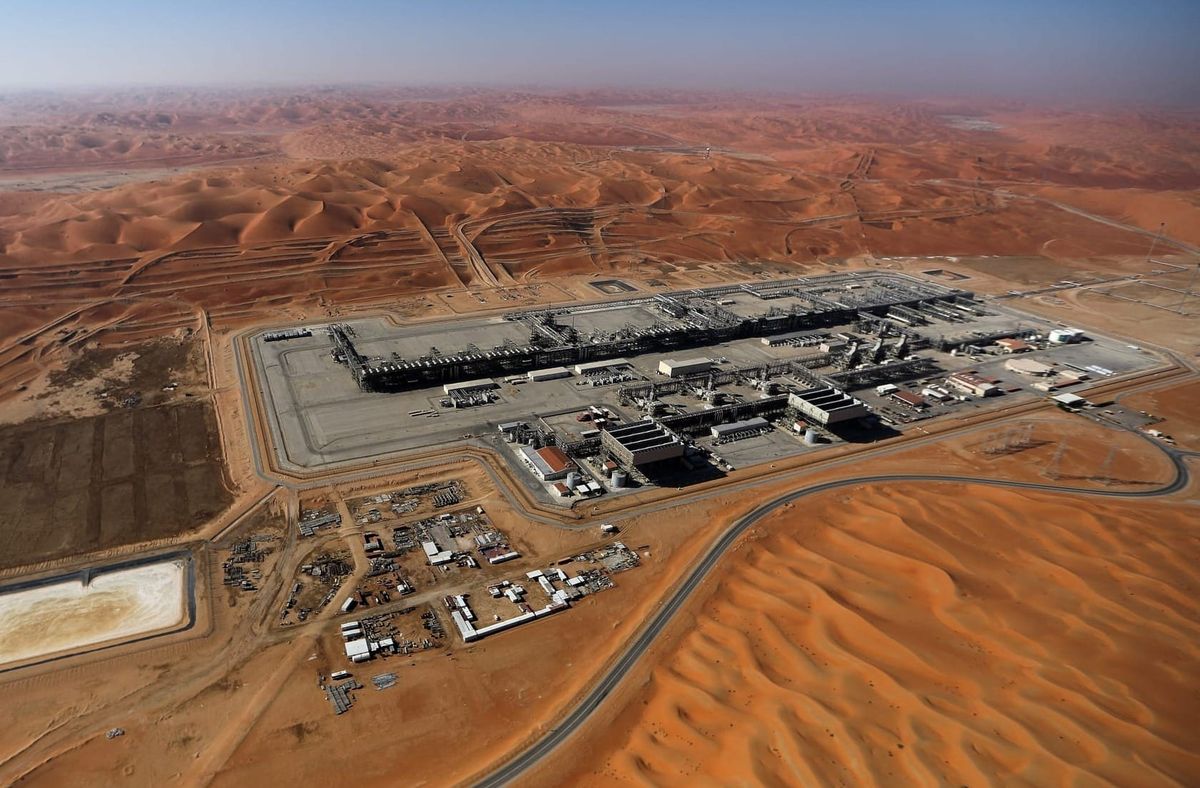
Australia. A vast, resource rich nation, that has always had it easy. We just dig up dirt and ship it overseas. Or for gas, pipe it first (over 70% of all gas produced in Australia is exported, sometimes to be re-sold at a higher profit).
But what's on everyone's mind is oil, and how Australia is impacted by the recent events in the Middle East / war between Israel, USA & Iran.
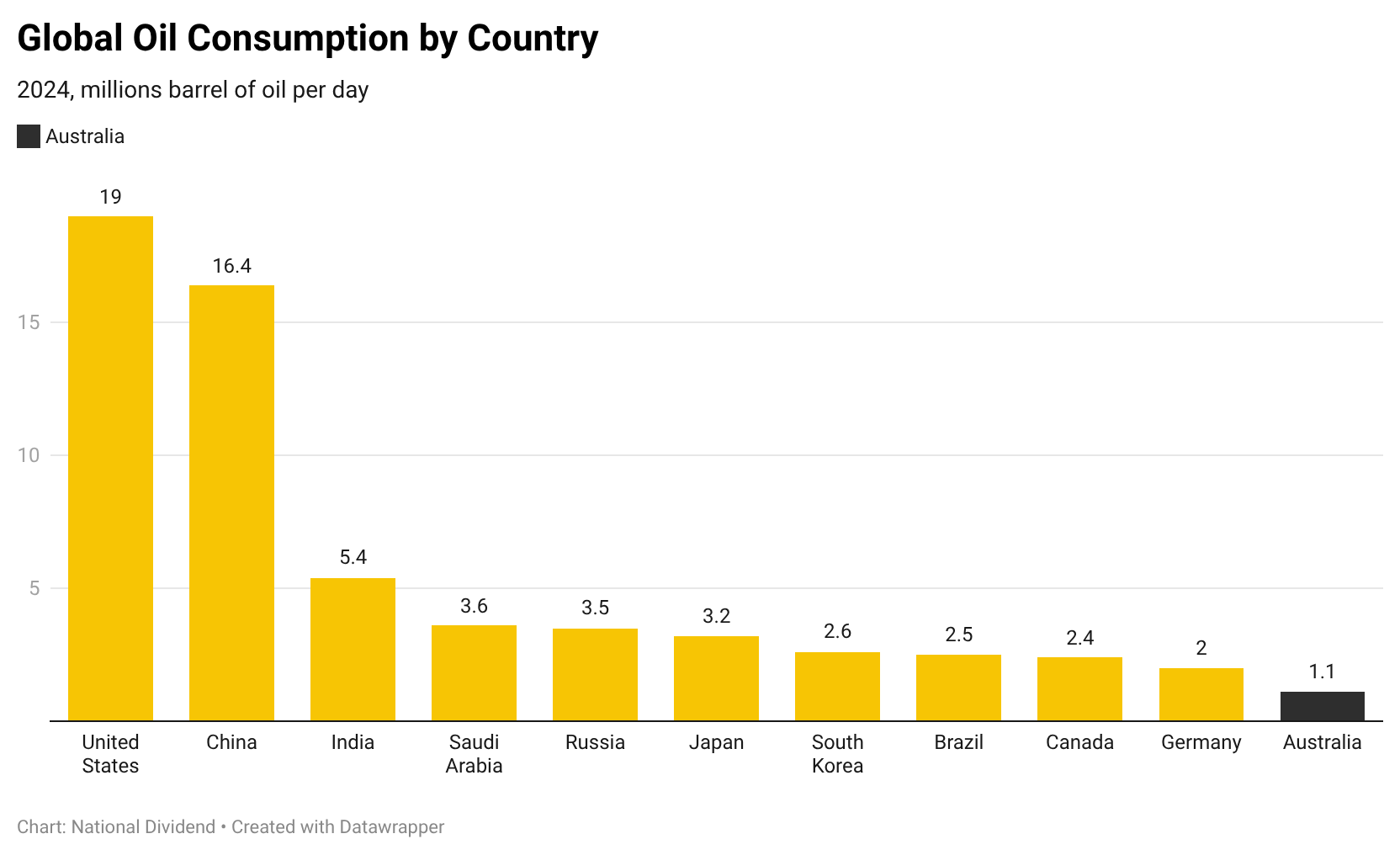
Australia consumes around 1.1 million barrels of oil per day (b/pd), putting us 20th in the global consumption race.
We are not enormously blessed with conventional oil fields (unconventional is a different story), so our domestic oil rigs only produce 108,000 barrels per day.
However, we don't actually use it here. It is shipped to the large Asian refineries, who they process and sell on to other countries, including some back to us, at a higher price.
Then with the two remaining refineries we have here, we use imported oil to create petrol, diesel, jet fuel etc. These two create 229,000 b/pd for us, which is used locally.
To get to our 1.1 million b/pd consumption, we must import 850,00 b/pd from overseas.
Where do we get this from?
South Korea, Singapore & Japan mainly:
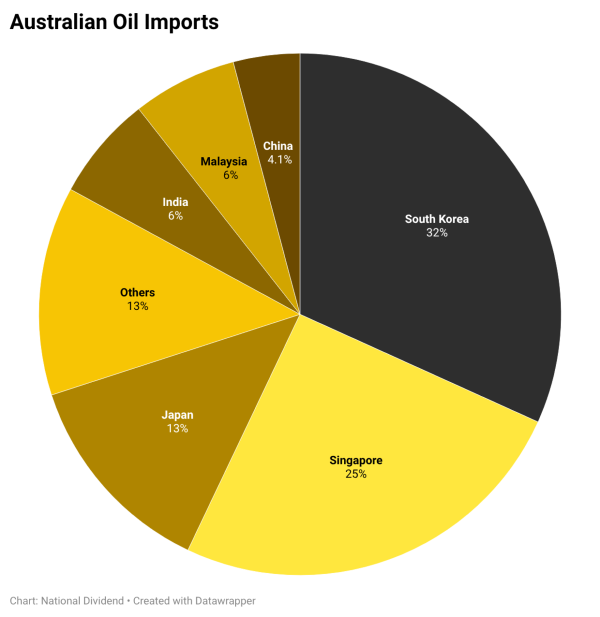
Now these countries are not known for their vast oil fields. They are a middleman, importing crude from various sources, blending, refining and on selling to Australia and other Asian countries.
The Middle East
The global powerhouse of oil, vastly rich and prosperous just from having billions and billions of oil reserves locked underground and being relatively easy to extract.
Most countries around the Persian Gulf, ship their oil production out on oil tankers. Five countries account for 93.6% of all crude and condensate flowing through Hormuz:
- Saudi Arabia (37.2%)
- Iraq (22.8%)
- UAE (12.9%)
- Iran (10.6%)
- Kuwait (10.1%)
Before the recent war, 24 super-size oil tankers would traverse through the Persian Gulf and onto the world, representing 20 million barrels of oil moving through, PER DAY.
Of this 20m b/pd, 5m is already refined, and 15m is sent to be processed, mainly to Asia (89%).
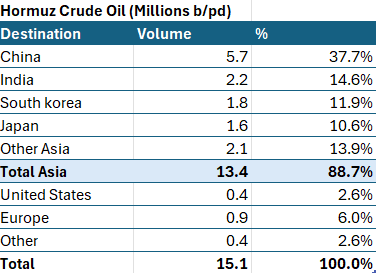
Asian countries have created mega refineries, that buy raw crude, process it at scale and ship around Asia and to us. From a detailed review, at least 70% of the raw crude used these refineries (South Korea, Singapore, Japan) originates from the Gulf.
Iran
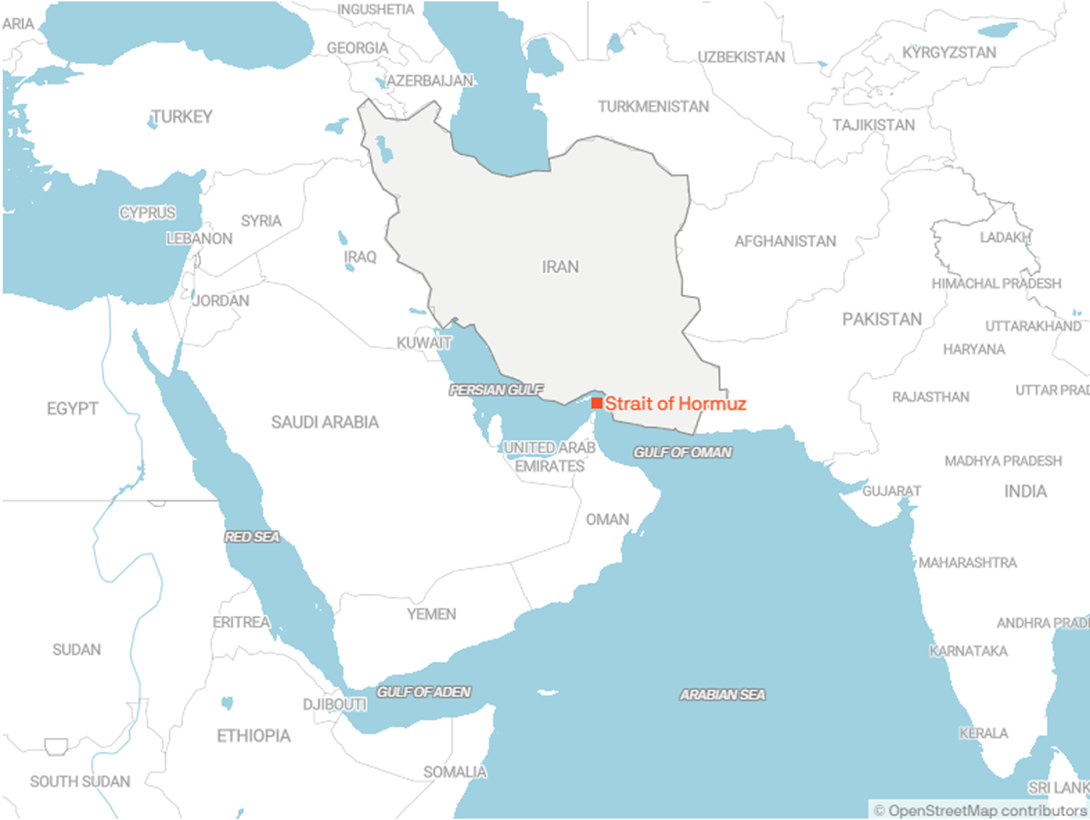
The narrowest part of this trip is between Iran and Oman. The sea's bend here is only 33km wide. However, the shipping lanes deep enough for a super tanker is only 3.2km.
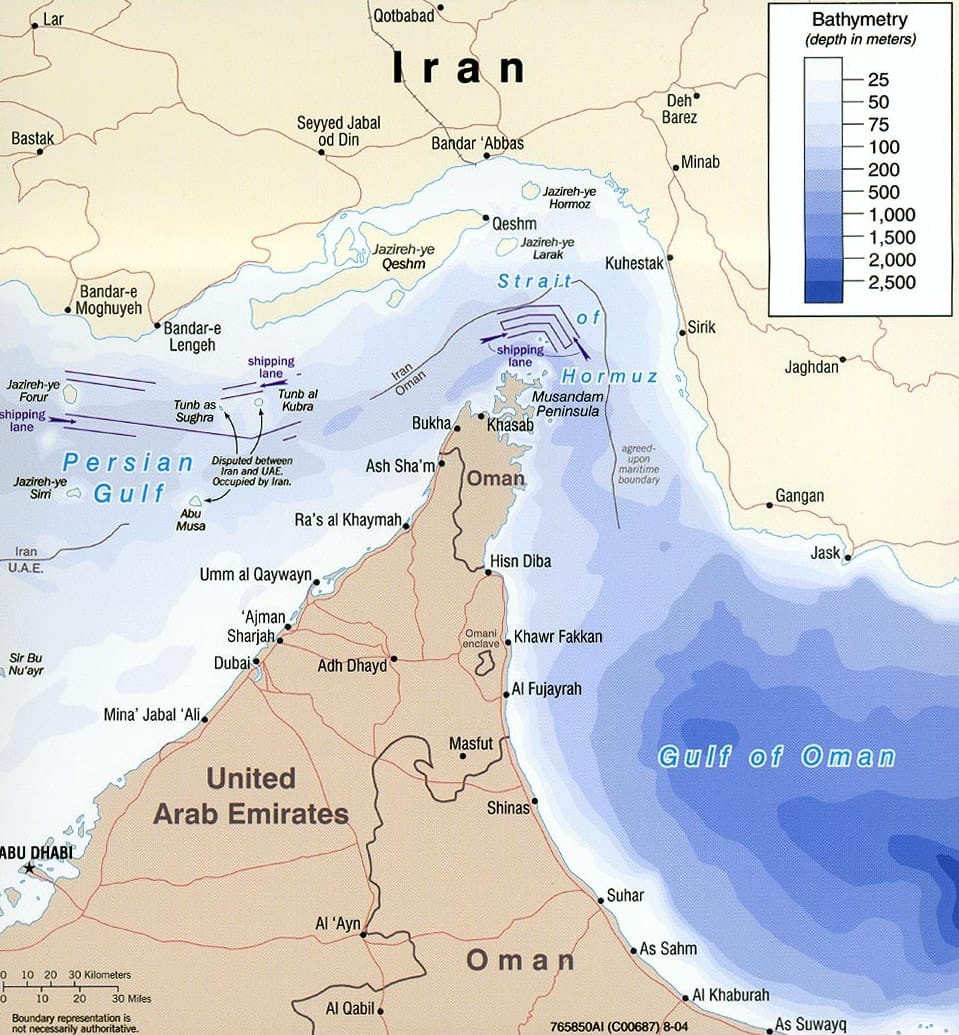
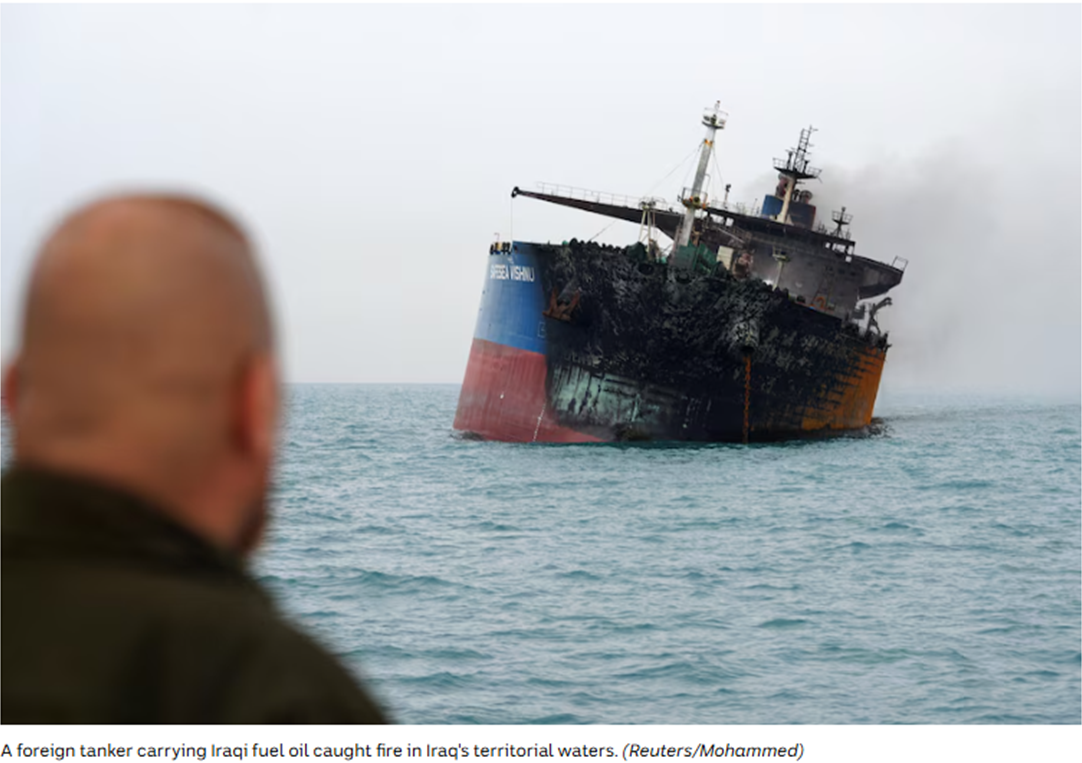
Under attack from Israel and USA, Iran have said they will attack any ships attempting to pass the Strait, effectively locking it shut. Insurance companies cancelled all cover immediately, as no one wants to risk their ships, worth $100m, and oil worth $200m, to be set ablaze as revenge.
Last week, Iran’s new Supreme Leader Mojtaba Khamenei said the Strait of Hormuz must remain closed as a “tool to pressure the enemy.” Iran have attacked additional oil tankers, not even near the Strait, to prove their point.
What does this mean
Even if the war ends tomorrow, and supply is resumed exactly as before (which is impossible), our biggest suppliers of petroleum products, will face supply shortages. We will not have enough petrol to give to everyone.
Therefore, transport will be limited.
AMP chief economist Shane Oliver “History shows that oil price shocks that extend for a while can have a significant negative impact on the economy because it’s effectively a tax on spending, whether it’s by businesses or households. And then if we go into an environment where we actually have a shortage of fuel, then you end up with a lockdown-type scenario where certain economic activity doesn’t occur. There would be less people going to work in that environment … (for) white collar jobs, more people working at home. And then you’ve got uncertainty as to how if there is a fuel shortage how it might be rationed, to some degree. SOURCE
Asia has already started this

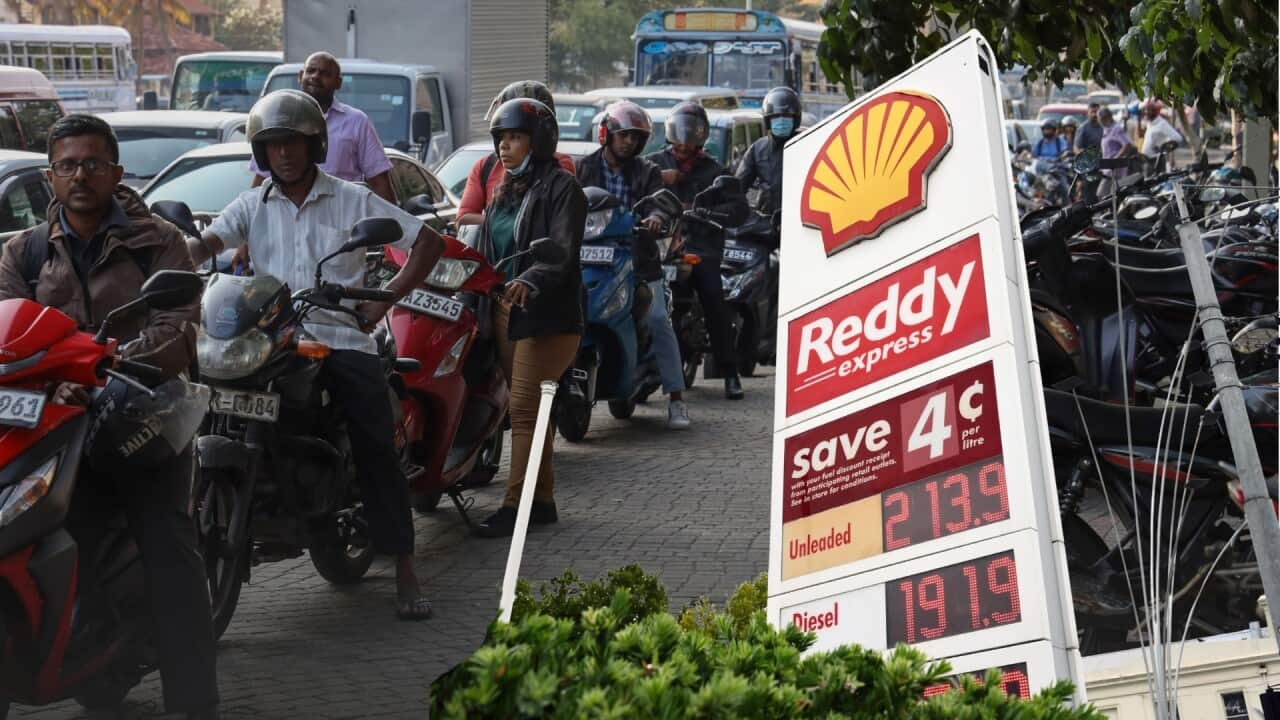
The longer this war in the middle east goes on, the larger the impact will eventually be. The biggest losers will be Asian countries & Australia, except for China (they get oil from Russia).
Inflation will remain high for months, if not years, due to this event, which is still unfolding. The RBA raised rates today, and will do so again this year.
Good Luck!