Natural Gas (Urea)
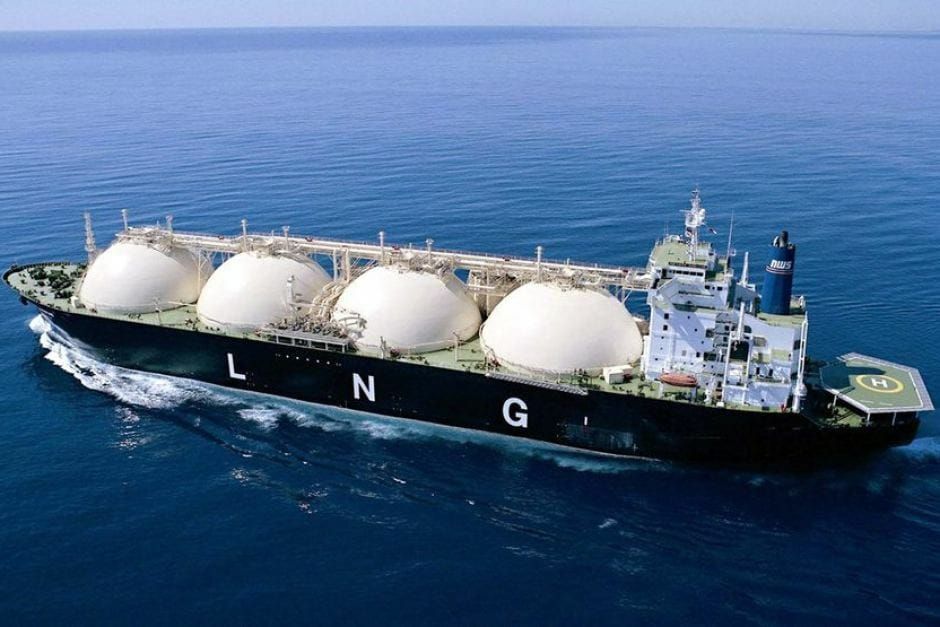
Australia has, and sells, A LOT of Natural Gas. We are the second largest exporter of Liquified Natural Gas (LNG) in the world, only behind Qatar. In 2024 we shipped 18 million tonnes, earning around $70bn in the year. And we still have quite a bit in reserve waiting to be extracted.
We ship 80%+ of our gas as LNG to international buyers (1H 2025), with little regard for domestic use and customers.
So much so we have gas shortages in the East Coast of Australia and pay more for gas over here than in WA and other major gas producing countries.
Natural Gas is quite important, both as a fuel, or base to make many other products - such as Ammonia, Methanol, Polyethylene, Urea, and liquid fuels (jet fuel, diesel, etc).
For now, we are getting into Urea:
Urea
Urea is one of the most important chemical products in the world. It's mainly used in farming, as a fertiliser, however it is also an important part of diesel fuel (AdBlue).
Australia used just under 4 million tonnes in 2024. 90% is for farming, 10% for AdBlue - and 100% of our urea is imported.
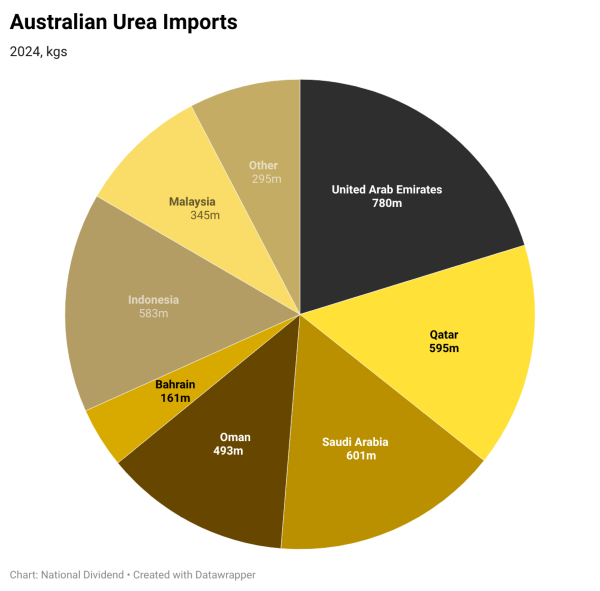
Looking at our sources in 2024, UAE, Qatar, Saudi, Oman, Bahrain add up to 70% of all our imports. All in the Middle East, and all exposed to the Iran War and the Strait of Hormuz.
Again, we have another potential supply shortage for a critical chemical, due to the current war in Iran.
This impacts us in two ways:
Short Term
Forget running out of diesel fuel. Without AdBlue many trucks and cars won't start (the ECU will detect the additive missing). In fact, there was a 'mini emergency' on AdBlue in 2021. At the time we sourced 80% of our AdBlue from China, and they cut us off without warning (surprise!).
 political reporter Henry Belot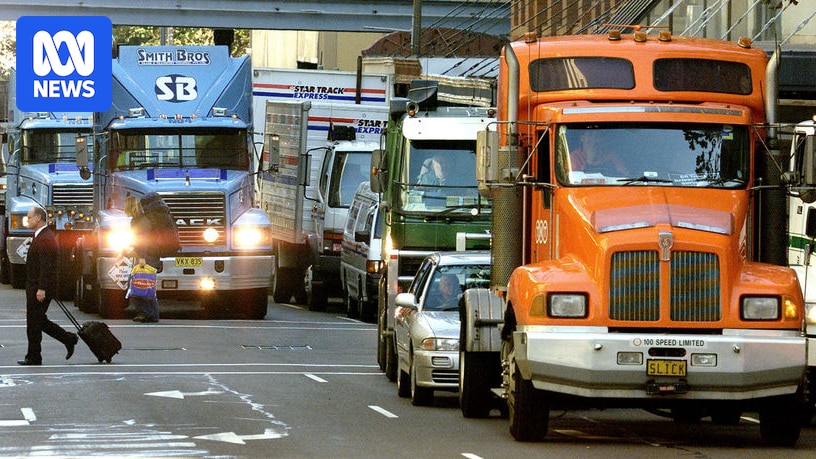
The government scrambled at the time, trying to source from other countries, and eventually we did. We even had a domestic plant producing Urea, Gibson Island in Brisbane. However, it was forced to close "after exhaustive efforts were unable to secure an affordable long-term gas supply from Australian gas producers." DynoNobel
GrainCentral: Gibson Island was developed in the 1960s as a site for manufacturing fertiliser, and became Australia’s only producer of urea using domestic natural gas. A boom in gas exports from Qld made it increasingly difficult for the plant to turn a profit.
Our enormous gas export industry was too important to direct some into the local economy to keep our only Urea plant open, which was going for 50+ years. Western Australia has a 15% gas reservation policy; however no other states do. If this was in place in QLD, it is likely Gibson Island would have survived.
Long Term
Farming. Worth around $100bn to our economy, we are a net exporter of agricultural produce. We are relatively good at farming, so we won't starve if we suddenly run out. However, a loss of urea would crush farm outputs, destroy exports, and drive many farms into loss making positions.
Why
Plants need 3 main ingredients to grow. Nitrogen (N), Phosphorus (P) and Potassium (K). NPK Ratio: What Do Numbers on Fertilizers Mean | The Old Farmer's Almanac
- Nitrogen – Growth driver. Important for Chlorophyll production. More nitrogen means more leaf and stem growth, higher yields, more protein in grain. Depleted fastest and needs regular replenishment.
- Phosphorus– Root and Energy driver. Helps with plant roots, flowering and seeds. Without phosphorus plants have poor roots and reproduction. Less seeds, smaller fruit.
- Potassium – Resilience. Regulates water uptake, helps plans cope with stress. Influences fruit quality and taste.
Simplified - nitrogen helps plant grow, phosphorus helps it reproduce, potassium keeps it healthy. All 3 are needed and beneficial to each other. Nitrogen the used and applied of all of them.
All of our major crops (grains, canola oil, sugarcane and cotton) require a lot of nitrogen for optimal production and end $ value.
Take wheat as an example - the value of the end product is dependent on the protein amount at harvest. More protein = more money. There are different grades depending on the protein level. Wheat with a protein level 11.5% and above is called Australian Hard (AH), and the worse wheat with no minimum protein is General Purpose / Feed.
The price different from AH to Feed is around $100 a tonne. Spread this over a whole farm crop for one harvest and the difference is hundreds of thousands of dollars.
Jeremy is sweating over the protein content in his wheat crop.
So long term, without urea and the other important fertilisers and nutrients, our farms end value will crash. Instead of $100bn a year, maybe we only get $80bn, or $60bn, who knows.
Note - Phosphate is also an important ingredient in agriculture. In 2020 75% came from China, until they applied export restrictions! We have diversified and now get most of it from the Middle East and Morocco. How a structural shift in fertiliser supply chains is changing the Australian market - Mecardo
Domestic Production
Now this is not as sad as oil - we are actually working on a domestic plant right now.
Perdaman are building a A$6.0 billion urea plant on the Burrup Peninsula, approximately 20km north of Karratha, Western Australia. The deal was backed by Global Infrastructure Partners, Abu Dhabi sovereign investor Mubadala Investment Company, and 12 commercial lenders.
“This state-of-the-art facility will be the largest urea plant in Australia and one of the largest in the world.
The construction of this plant marks a significant milestone for Australia’s future food security, and it represents the largest investment ever made in the Australian fertiliser industry. The plant’s expected production of 2.3 million metric tons per year of urea will help to address the growing demand for high-quality fertilisers, reduce the nation’s reliance on imports and enhance national resilience.
The Project will utilise feedstock (LNG) from Woodside under a 20-year agreement and has a 20-year offtake agreement with Incitec Pivot.
The Project will be one of the lowest-cost suppliers of urea in the Asia-Pacific and as well as one of the largest urea producers globally. The Project is uniquely positioned among key domestic and export markets and critical enabling infrastructure
What Now
The new Perdaman plant, will be supplying around 1 million tonnes of urea to Australia domestically, only 25% of our domestic consumption.
Even though it is more profitable to take a raw input (Natural Gas), refine, process, transform it into finished goods, and sell them at multiples higher. We still export most of our gas as LNG, and import the finished products. There are no new plants I'm aware of to make additional Urea.
Other examples of this madness:
- Iron Ore - instead of shipping raw iron ore out, steel is worth around 3x the value (yes, we do import steel).
- Cotton - Sent overseas for $2-3kg raw, bought back as a t shirt. You could turn it into fabric before selling overseas for $8-15kg, an increase 3-7x in value.
- Uranium - we exported 4,500 tonnes of uranium in 2023, worth $1.2bn. Once its enriched this would be worth $5-7bn.
The question remains - how can we best utilise our abundant minerals and resources, to fulfill our domestic needs first, to extract maximum value, and not put an overseas customer ahead of a domestic one (the Gibson plant).
We could reduce our reliance on imports (especially from the Middle East) AND make some money doing so.
Its time Australia looked at the big picture here, the long-term best option, and planed accordingly. Not continue with short sighted political emptiness.